

Dates are among the most resilient fruits, yet their shelf life is significantly influenced by environmental conditions such as temperature and humidity. Premium varieties like kurma Nabi Malaysia are cherished for their flavor, texture, and nutritional value, but maintaining these qualities requires proper storage. While dates are naturally long-lasting due to their low moisture content, variations in climate and storage practices can either extend or shorten their usability. Understanding how temperature and humidity affect different varieties, including kurma Nabi Malaysia, kurma tunisia, and kurma medjool, is essential for families, businesses, and suppliers who rely on dates for nutrition, trade, and tradition.
The Science of Date Preservation
Dates are unique fruits with high sugar content and relatively low water activity, which naturally slows microbial growth. However, shelf life is not indefinite. Temperature and humidity directly influence enzymatic activity, microbial development, and physical changes in dates. Kurma Nabi Malaysia, for example, thrives in controlled environments where cool temperatures and moderate humidity prevent spoilage. Without proper storage, dates may harden, ferment, or lose flavor, reducing their appeal and nutritional value.
Temperature Effects on Shelf Life
Temperature is one of the most critical factors in preserving dates. At lower temperatures, enzymatic activity slows, extending shelf life. Refrigeration can keep kurma Nabi Malaysia fresh for months, while freezing can preserve them for up to a year. Conversely, high temperatures accelerate sugar crystallization, cause moisture loss, and encourage microbial growth. Kurma tunisia, often softer and moister, is particularly vulnerable to heat, which can lead to fermentation. Kurma medjool, known for its rich texture, may dry out or develop off-flavors if stored in warm conditions.

Humidity Effects on Shelf Life
Humidity plays a dual role in date preservation. Excess humidity encourages mold growth and fermentation, while extremely low humidity causes dates to harden and lose palatability. Kurma Nabi Malaysia requires balanced humidity to maintain its chewy texture. Kurma tunisia, with higher moisture content, is more prone to spoilage in humid environments. Kurma medjool, prized for its juiciness, can lose quality if exposed to dry air, becoming tough and less enjoyable. Proper humidity control ensures that dates retain their natural sweetness and texture.
Shelf Life of Kurma Nabi Malaysia
Kurma Nabi Malaysia is a premium variety often consumed during religious occasions and family gatherings. Its shelf life depends on storage conditions. At room temperature in moderate climates, it can last several weeks. Refrigeration extends its usability to several months, while freezing preserves it for up to a year. Proper packaging, such as airtight containers, further protects against humidity fluctuations. Families and businesses that value kurma Nabi Malaysia must prioritize storage practices to maintain its quality.
Shelf Life of Kurma Tunisia
Kurma tunisia is known for its soft texture and higher moisture content. This makes it more vulnerable to environmental conditions. At room temperature, it may last only a few weeks before showing signs of fermentation. Refrigeration extends its shelf life to several months, but humidity control is essential to prevent mold. Freezing can preserve kurma tunisia for longer periods, though texture may change slightly. Its sensitivity to climate highlights the importance of careful storage.
Shelf Life of Kurma Medjool
Kurma medjool is often referred to as the “king of dates” due to its large size and luxurious texture. Its shelf life is relatively long, but it requires proper storage to maintain quality. At room temperature, kurma medjool can last several weeks, while refrigeration extends this to months. Freezing preserves it for up to a year. However, exposure to high humidity can cause mold, while dry conditions may harden the fruit. Balanced storage ensures that kurma medjool retains its premium appeal.
Packaging and Storage Practices
Packaging plays a crucial role in protecting dates from temperature and humidity fluctuations. Airtight containers prevent moisture loss and microbial contamination. Vacuum-sealed packaging extends shelf life by reducing oxygen exposure. For kurma Nabi Malaysia, packaging that balances humidity is essential to preserve texture. Kurma tunisia benefits from moisture-resistant packaging, while kurma medjool requires protection against both dryness and excess humidity. Proper packaging ensures that dates remain fresh and appealing across different environments.
Industrial Storage and Distribution
For businesses and suppliers, large-scale storage requires advanced techniques. Cold storage facilities maintain consistent temperatures, while humidity control systems prevent spoilage. Kurma Nabi Malaysia distributed through modern supply chains benefits from these technologies, ensuring quality upon arrival. Kurma tunisia and kurma medjool also require careful handling during transportation, as fluctuations in climate can reduce shelf life. Industrial practices highlight the importance of science and technology in preserving traditional foods.
Household Storage Tips
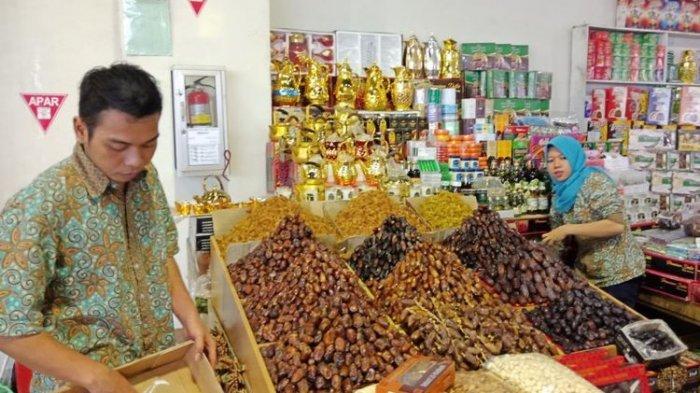
Families can extend the shelf life of dates with simple practices. Storing kurma Nabi Malaysia in airtight containers in cool, dry places prevents spoilage. Refrigeration is recommended for longer storage, while freezing is ideal for bulk purchases. Kurma tunisia should be consumed relatively quickly unless refrigerated, while medjool benefits from balanced humidity. Avoiding direct sunlight and heat sources is essential for all varieties. These household tips ensure that families enjoy dates at their best quality.
Nutritional Preservation
Temperature and humidity not only affect shelf life but also nutritional value. Excess heat can degrade vitamins, while humidity may encourage microbial growth that reduces safety. Kurma Nabi Malaysia retains its nutritional profile best under cool, controlled conditions. Kurma tunisia and medjool also maintain their vitamins and minerals when stored properly. Preserving nutritional value ensures that dates continue to provide energy, fiber, and essential minerals.
Cultural and Economic Importance of Shelf Life
Dates are central to cultural traditions and economic trade. Kurma Nabi Malaysia is often consumed during Ramadan and festive occasions, making its shelf life critical for availability. Kurma tunisia and kurma medjool are exported globally, requiring reliable storage for long-distance transportation. Shelf life directly impacts economic value, as spoilage reduces profitability. Understanding environmental effects ensures that dates remain viable in both cultural and commercial contexts.
Future of Date Preservation
Advances in food technology continue to improve date preservation. Innovations in packaging, refrigeration, and humidity control extend shelf life while maintaining quality. Kurma Nabi Malaysia, kurma tunisia, and kurma medjool benefit from these developments, ensuring global accessibility. Future practices may include smart packaging that monitors environmental conditions, providing consumers with real-time information about freshness. These innovations highlight the evolving relationship between tradition and modern science.
Conclusion
Temperature and humidity are critical factors that determine the shelf life of dates. Kurma Nabi Malaysia exemplifies the importance of proper storage, maintaining quality through balanced conditions. Kurma tunisia and kurma medjool also demonstrate how environmental factors influence texture, flavor, and usability. By understanding these effects, families, businesses, and suppliers can preserve dates effectively, ensuring their nutritional and cultural value. Proper storage practices, from household tips to industrial technologies, reinforce the timeless appeal of dates across generations.